AJ Blunt Painting, a leading provider of heritage painting services in Adelaide, delivered the heritage repaint of the west façade of the Torrens Building at 202–220 Victoria Square — one of South Australia's finest Victorian civic buildings and a State Heritage Place at the very heart of the city. The works covered the timber windows, doors and original inbuilt sliding shutters across the Victoria Square frontage, with the safe management and overcoating of lead-based paint central to the entire program. On a building of this significance, our focus was on protecting the original joinery, the public and our team — while returning the façade to the standard it deserves.
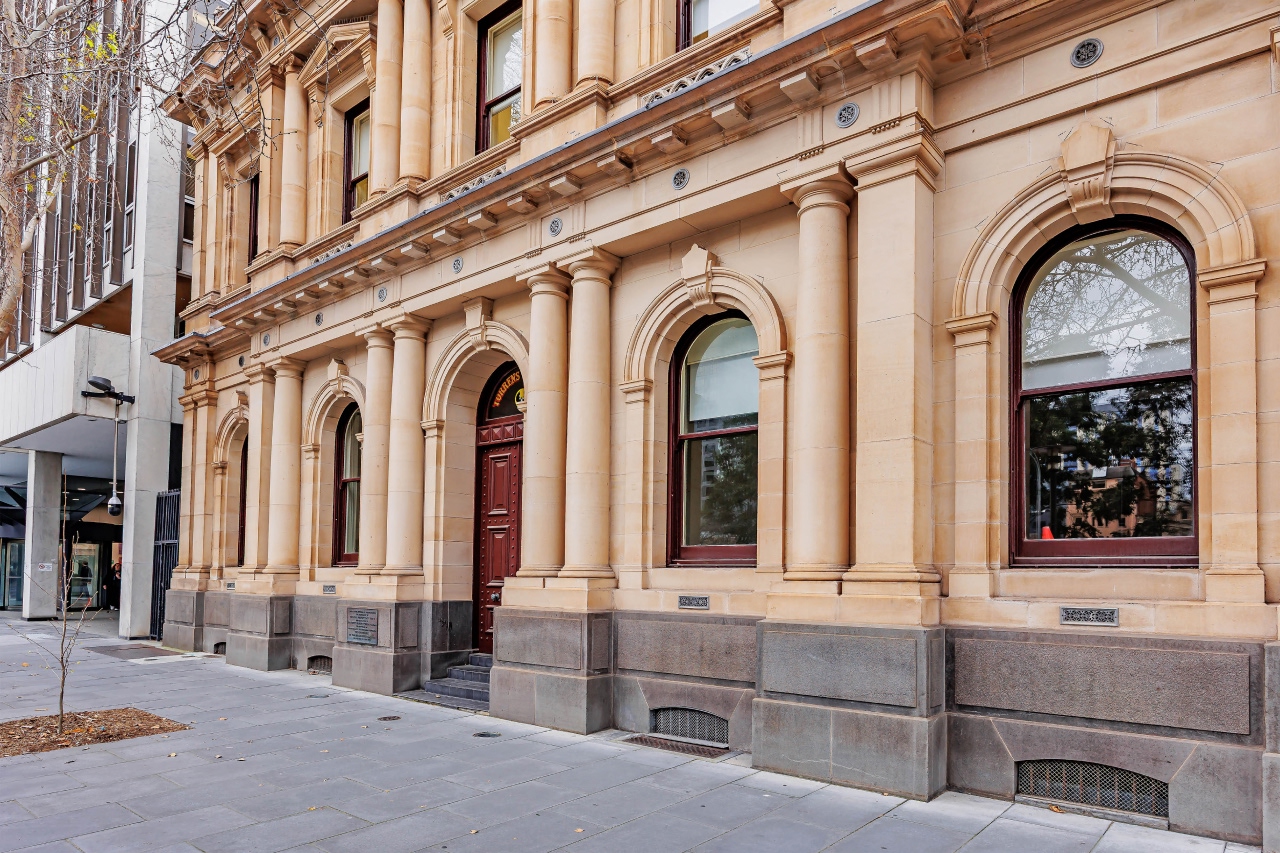
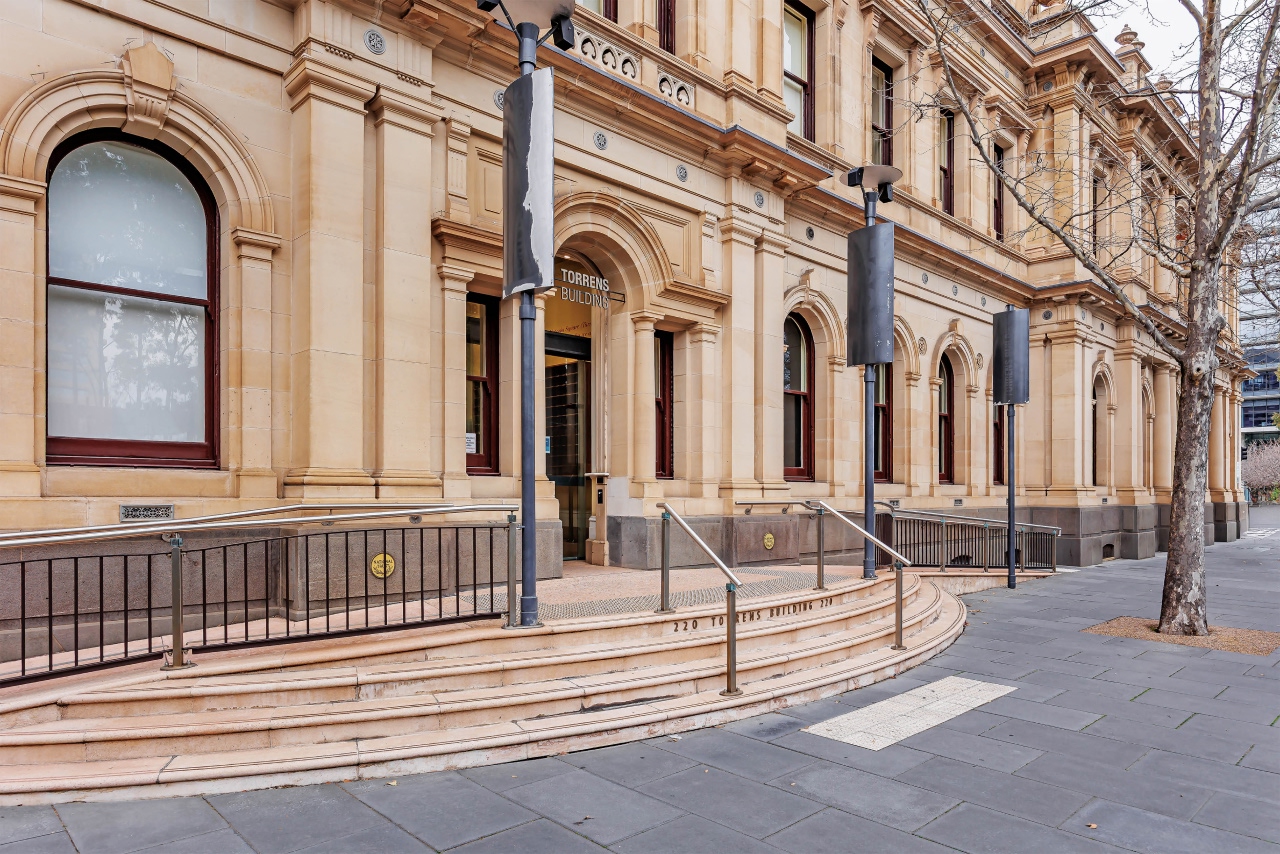
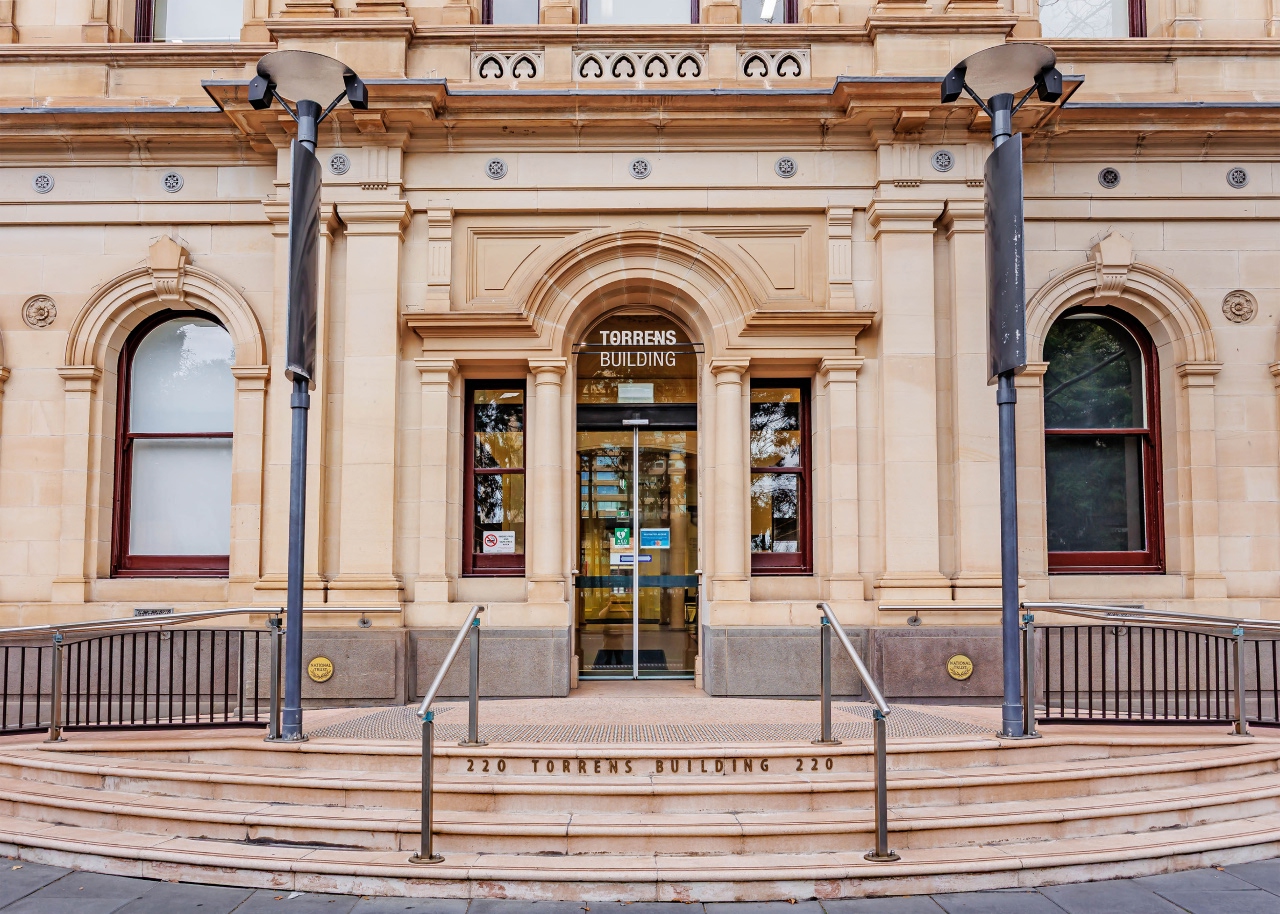
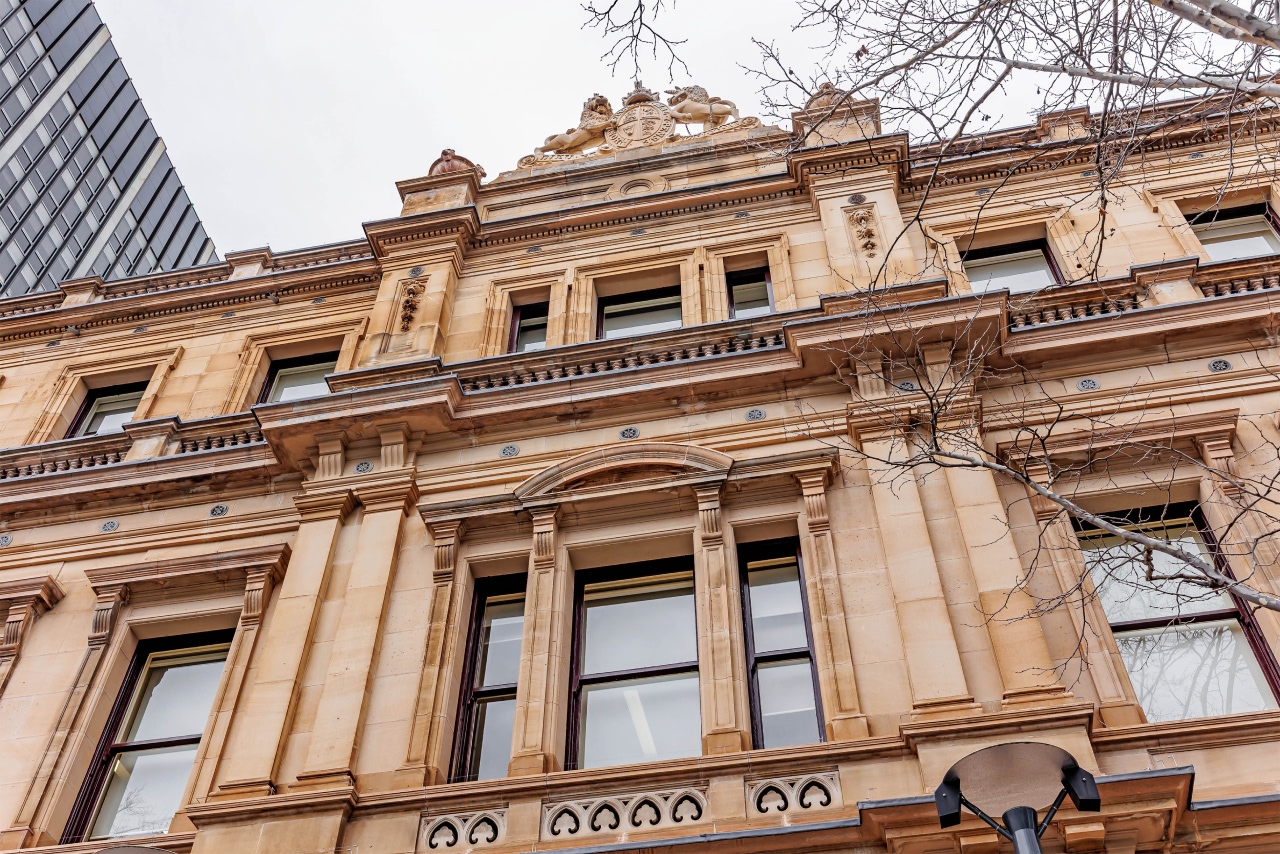
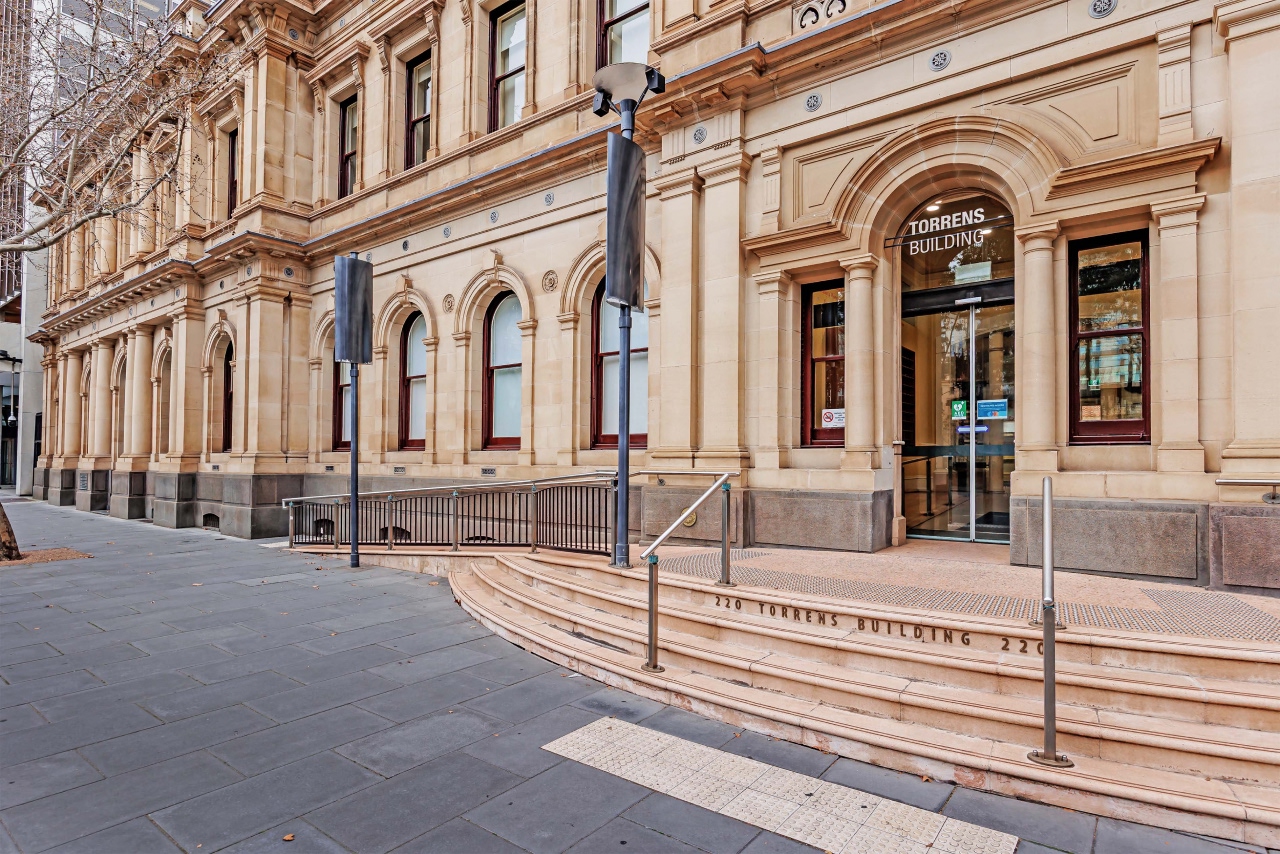
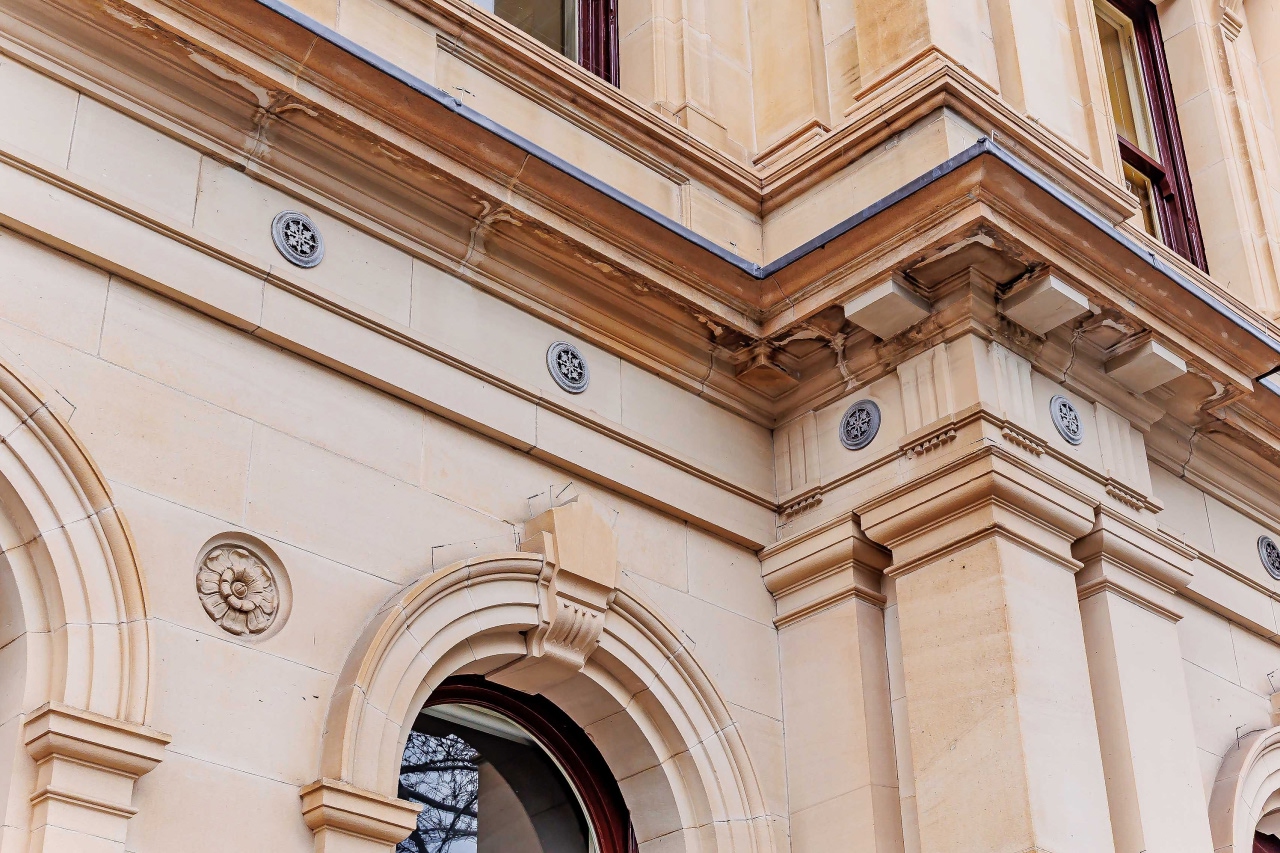
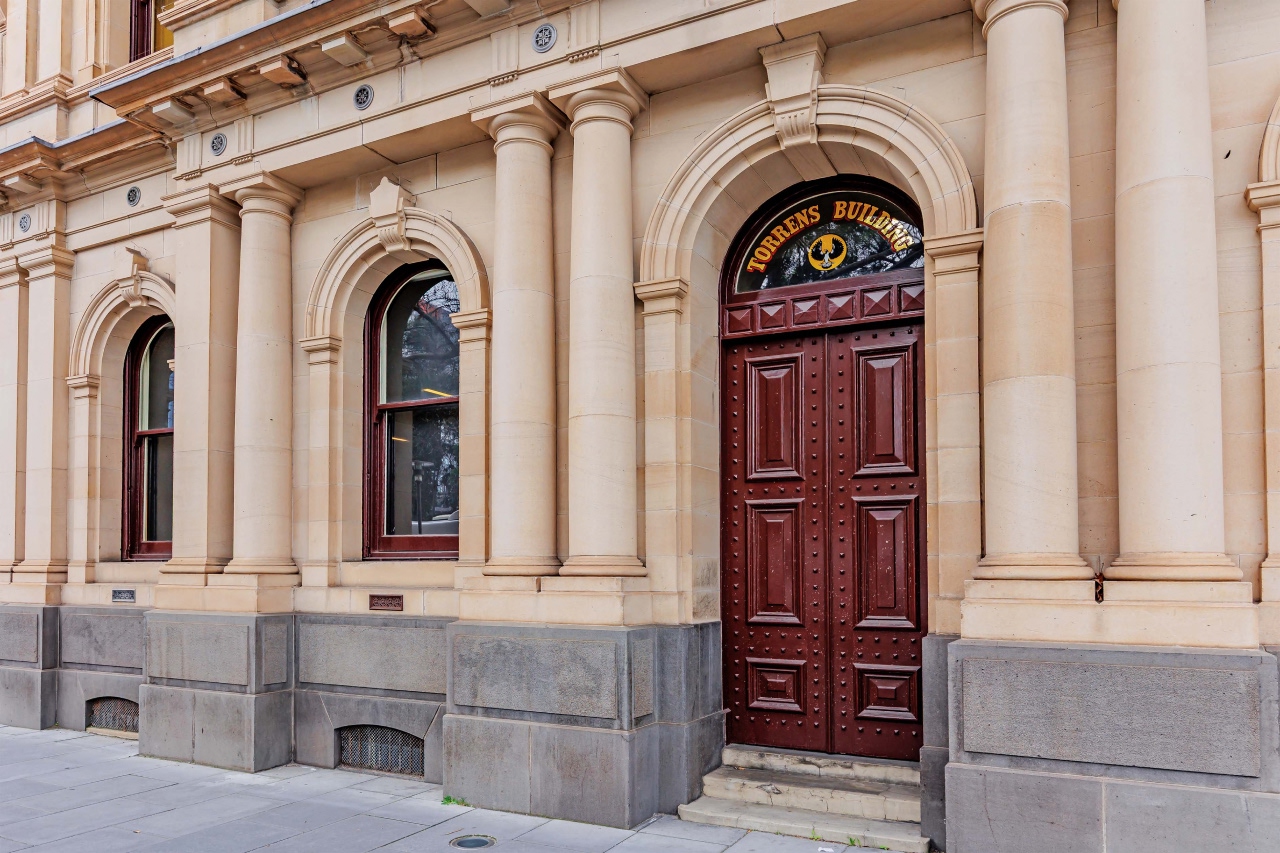

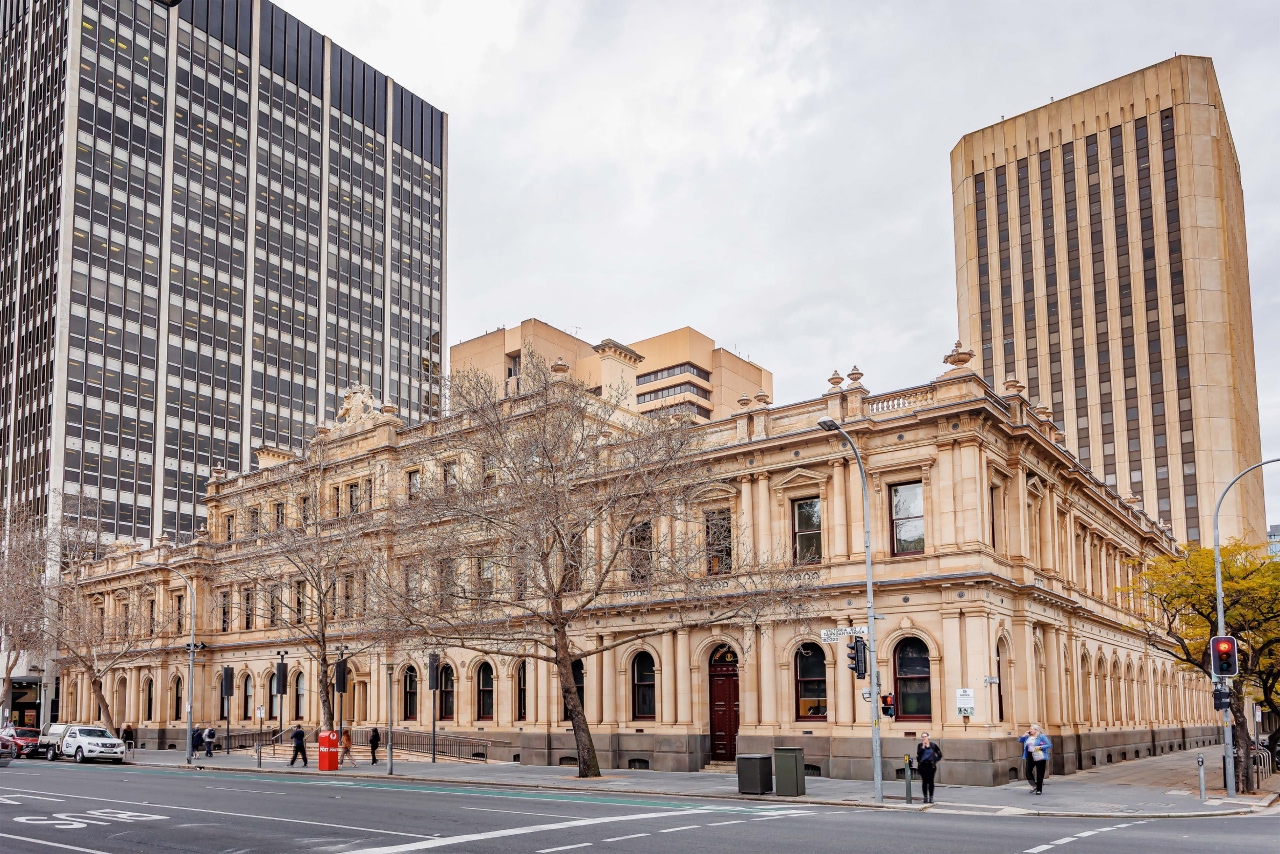
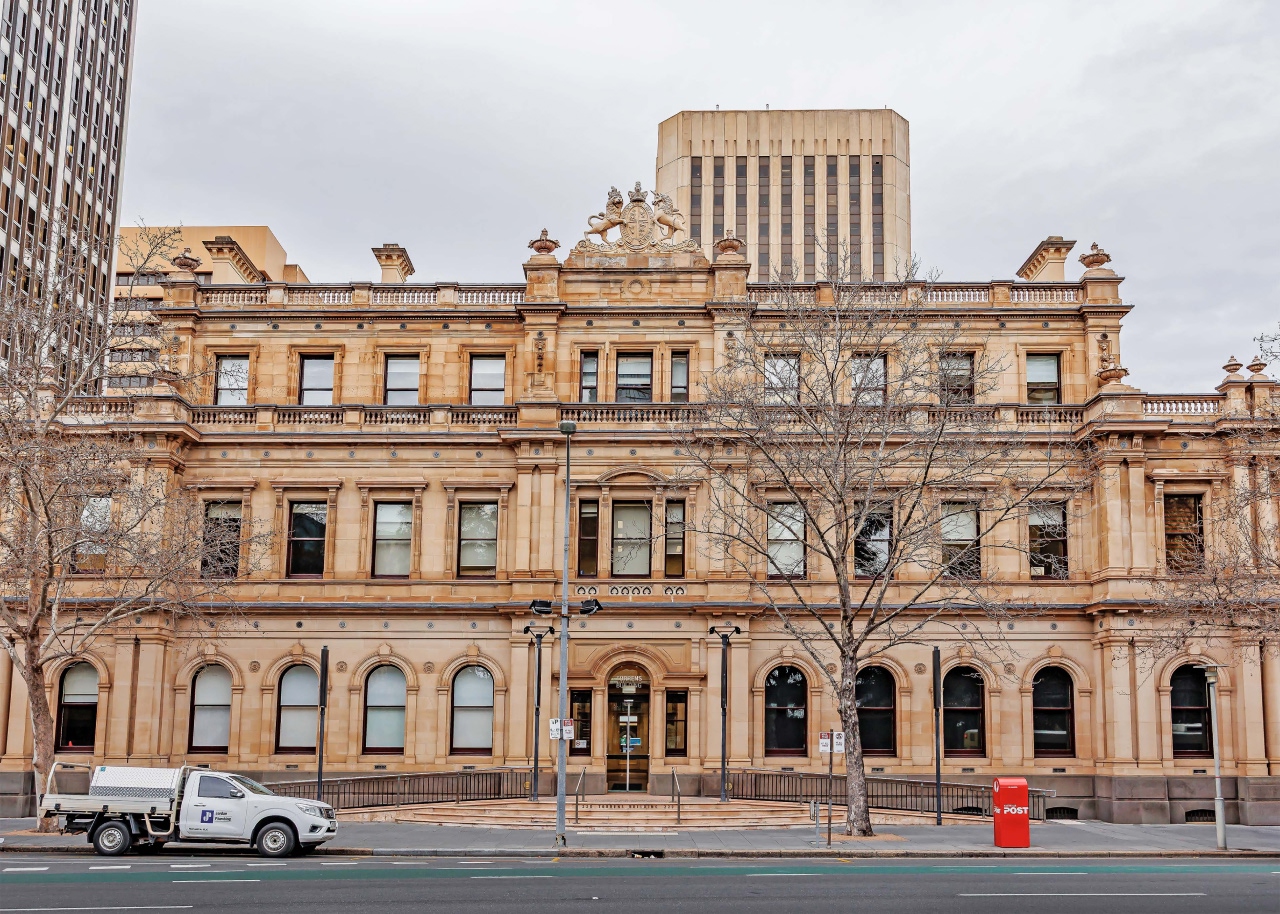
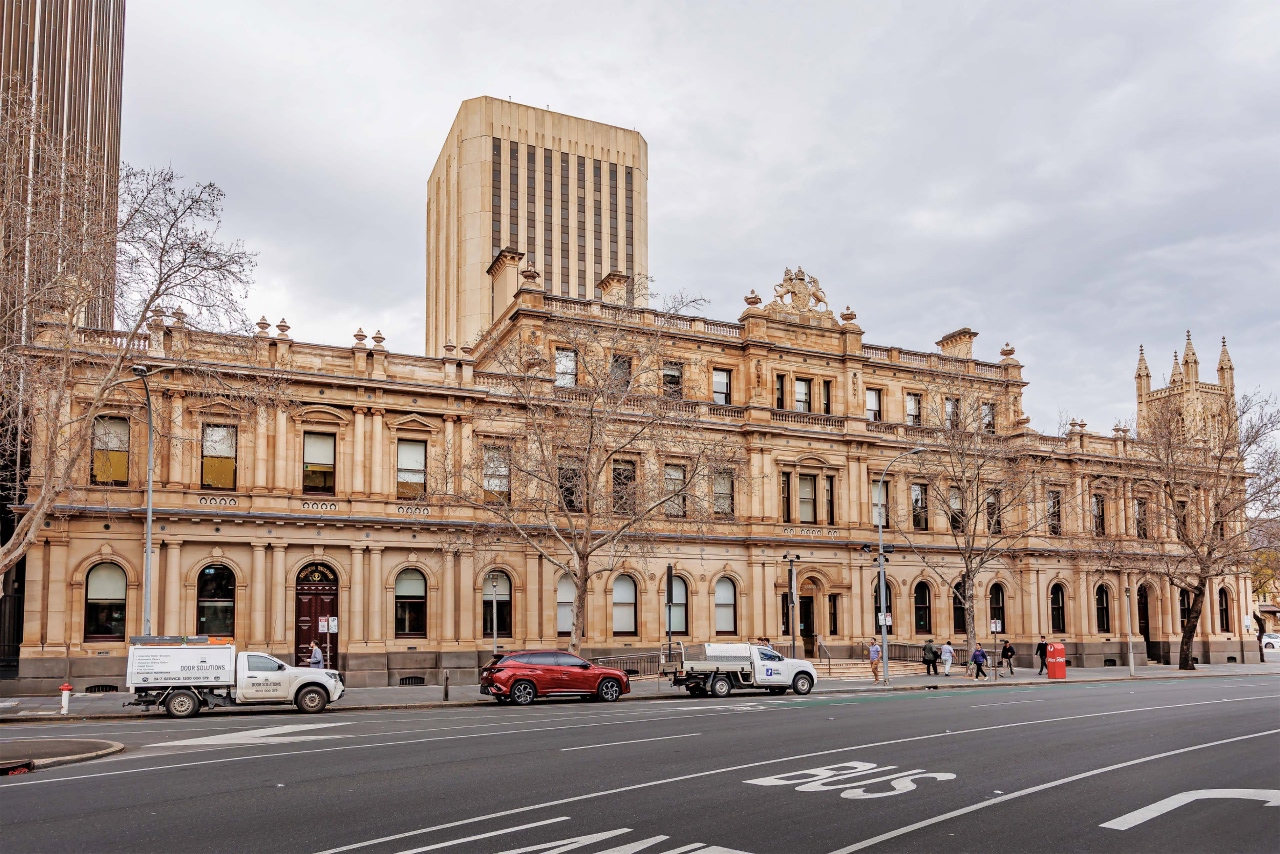
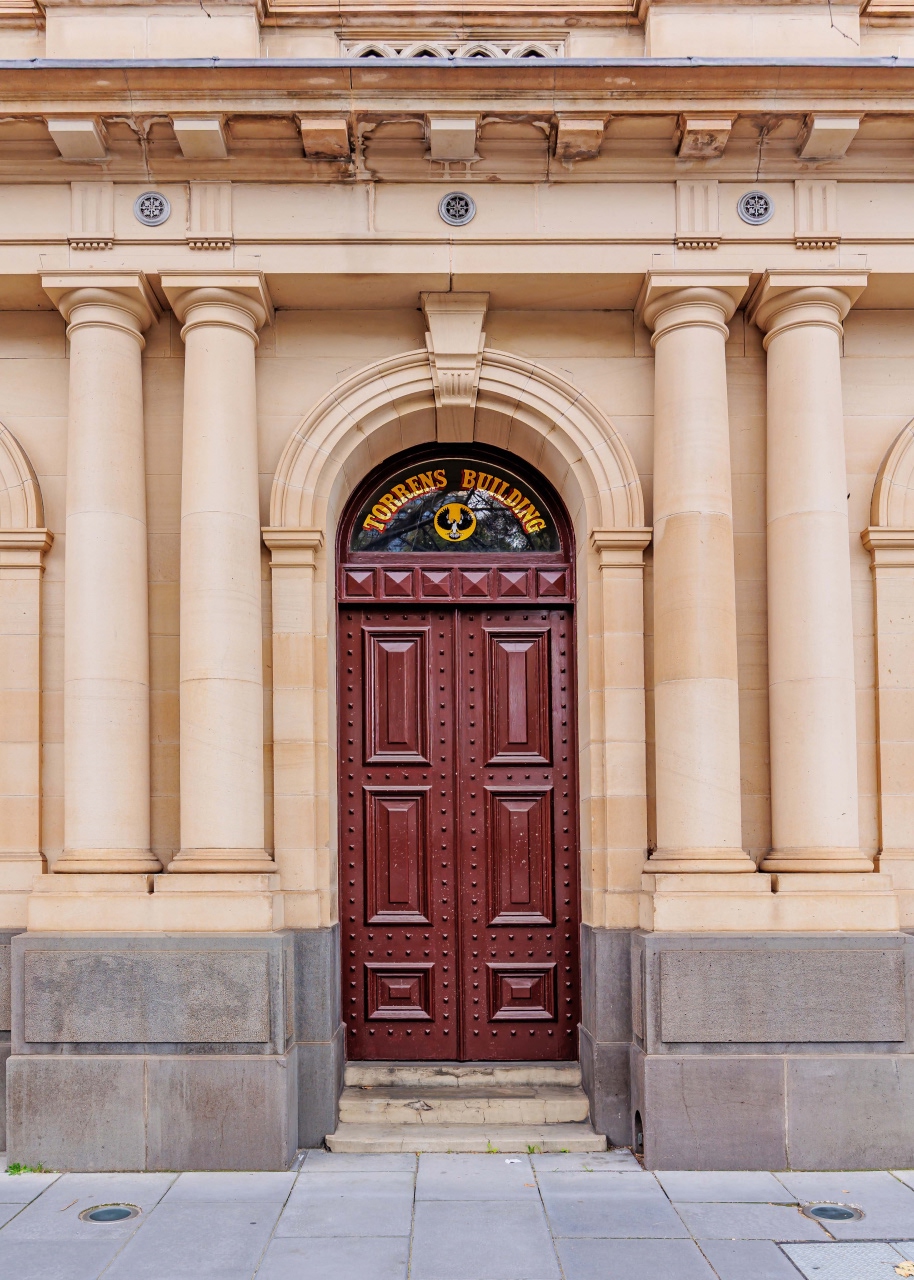
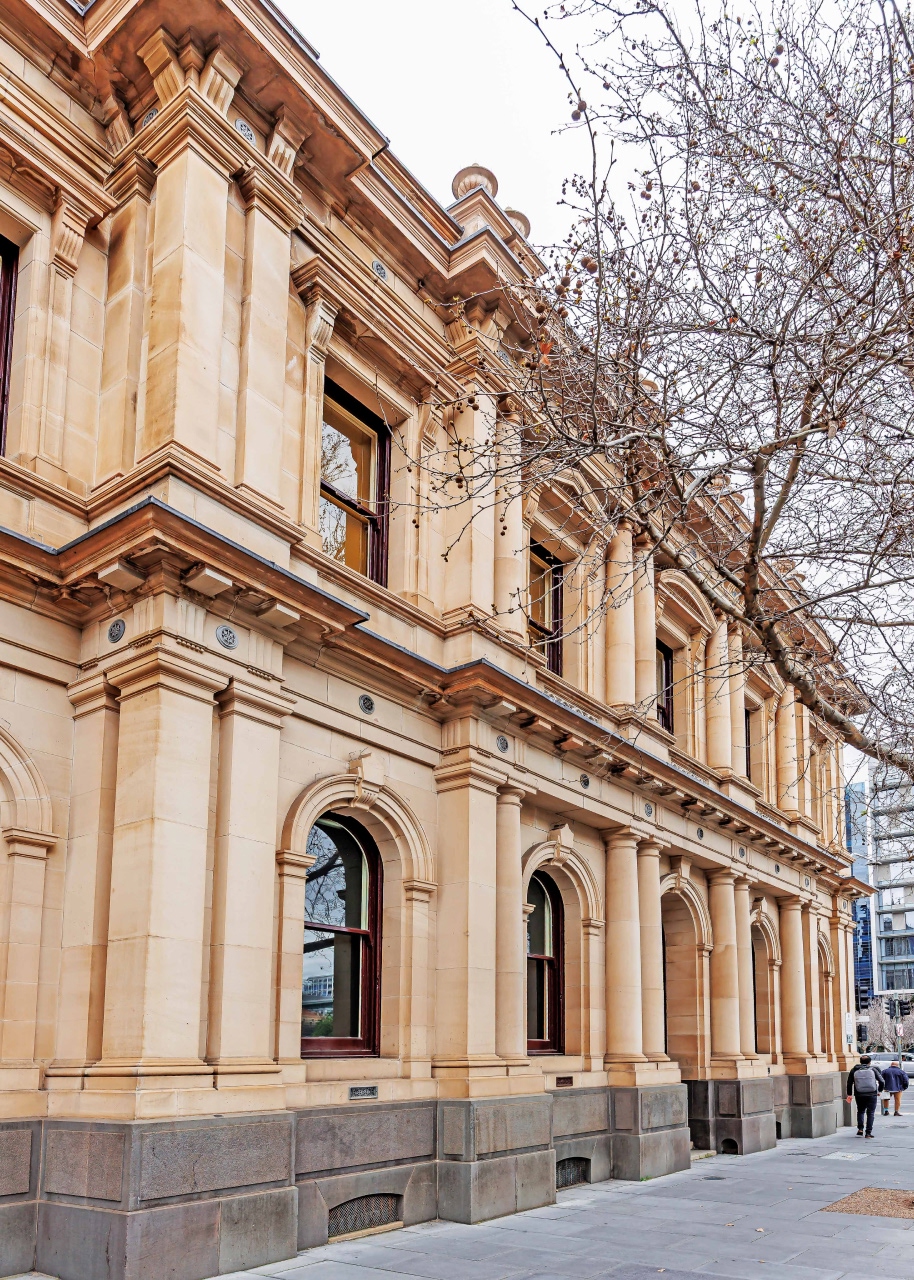
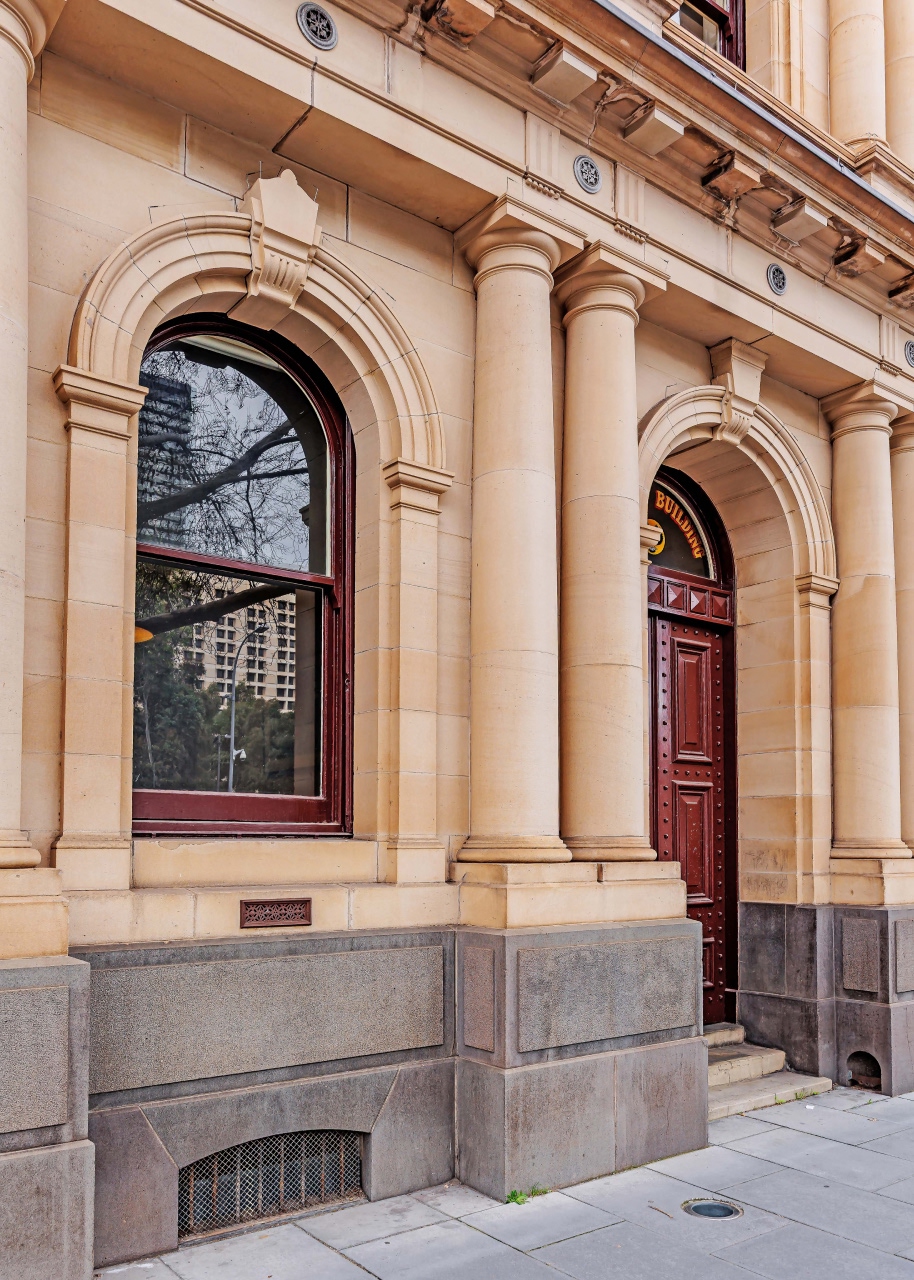
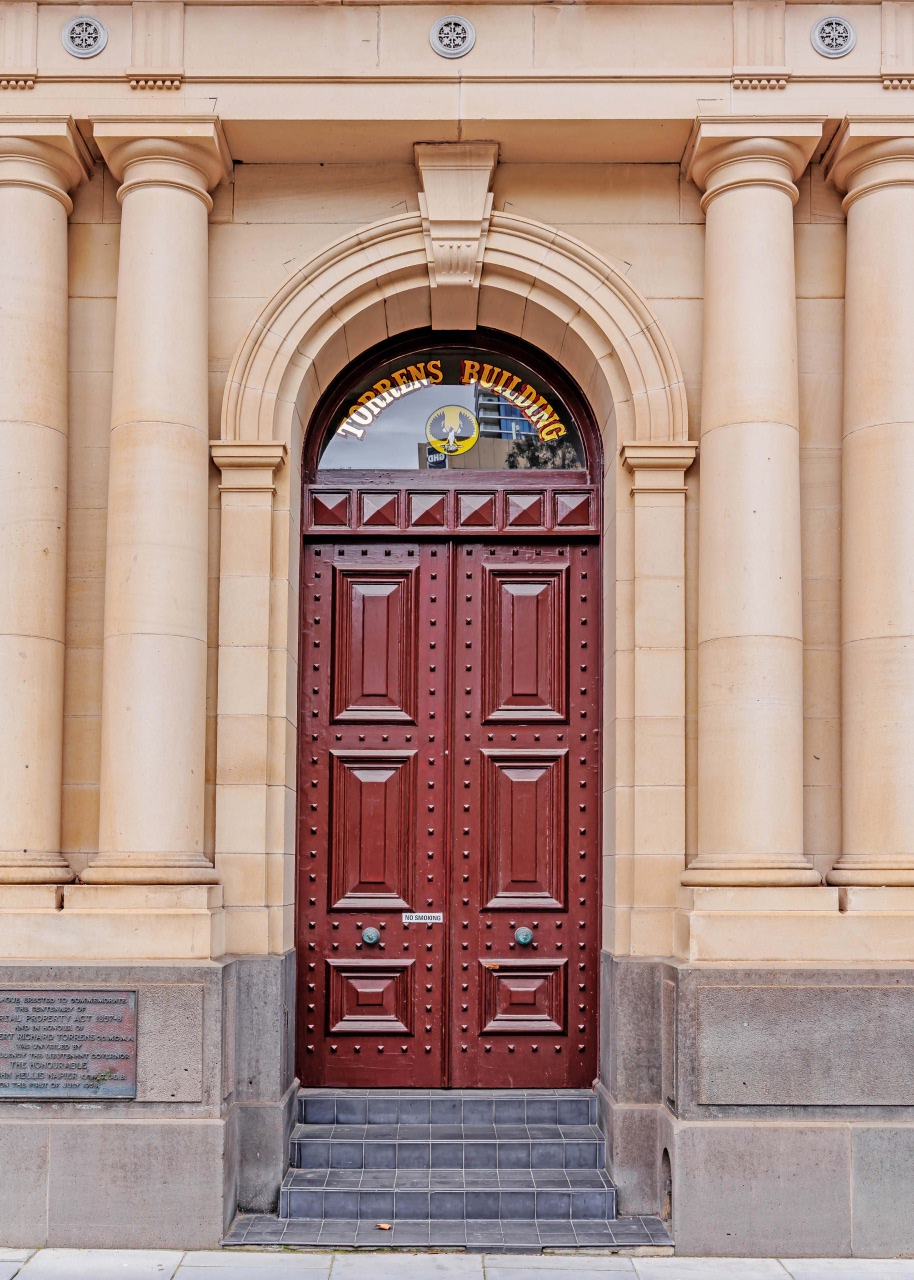
Built between 1877 and 1881, the Torrens Building is an outstanding example of Victorian Free Classical architecture in South Australia. Designed by Melbourne architect Michael Egan, with modifications by South Australian Architect-in-Chief John Woods, it was purpose-built as government offices — housing the Commissioner of Public Works, the Registrar General and the Water Works and is named after Sir Robert Richard Torrens, whose land title system spread from South Australia to much of the world. With its unusual fenestration, decorative urns and coat of arms, the building was listed on the South Australian Heritage Register in 1981. Its west façade fronts Victoria Square, facing the centre of the city it was built to administer.
Managing lead-based paint on a public square: Like most buildings of its era, the Torrens Building's original joinery carried generations of lead-based paint. With the façade fronting one of Adelaide's busiest public spaces, the coatings had to be stabilised and overcoated safely protecting pedestrians, building occupants and our painters, with no shortcuts on containment or clean-up.
Preserving 140-year-old joinery: The windows, doors and original inbuilt sliding shutters are irreplaceable Victorian craftsmanship. The shutters in particular designed to slide away into their wall pockets demanded a finish that protects the timber without paint build-up that would stop them operating as they were built to.
Working on a State Heritage Place: Every method, product and colour had to respect the building's heritage listing and its original character. A civic building of this profile leaves no room for error in either finish or process.
Safe lead paint management and overcoating: Rather than aggressive removal, we stabilised the existing lead-based coatings and encapsulated them under new systems, in line with Australian Standard AS 4361 for the management of lead paint. Preparation was wet-method and fully contained no dry sanding, no open flame with drop sheets, controlled waste capture and thorough clean-down protecting the public realm below throughout the works.
Careful treatment of windows, doors and sliding shutters: Each element of joinery was prepared and painted by hand. The inbuilt sliding shutters were treated with particular care surfaces prepared and coats controlled so that every shutter still slides freely into its pocket, preserving a working piece of Victorian ingenuity rather than painting it shut.
Heritage-appropriate coatings and finish: Coating systems were selected to suit the original timber and to perform on a fully exposed western elevation flexible, durable finishes that shield the joinery from the afternoon sun and weather off the square while staying true to the building's character.
A civic landmark presented to its best: The Torrens Building's Victoria Square frontage now presents as a building of its standing should its joinery crisp, its shutters working, and its Victorian character fully intact for the thousands of people who cross the square every day.
Lead hazards safely managed for the long term: The encapsulation approach locks the historic lead coatings safely beneath modern systems, removing the hazard from day-to-day contact and weathering without the risk and disruption of wholesale stripping a safer building and a cleaner square.
Protection for irreplaceable fabric: The new coating systems shield 140-year-old timber against the harsh western exposure, extending the life of original windows, doors and shutters that could never be replaced like-for-like, and reducing the maintenance burden in the years ahead.
If you are ready to transform your space or want to discuss your next painting project, our team is just a call away. Contact AJ Blunt Painting today for a free consultation.

.svg)


.webp)