AJ Blunt Painting, a leading provider of heritage painting services in Adelaide, partnered with G5 Special Projects on the heritage refurbishment of three of Kapunda's most significant nineteenth-century buildings: the Kapunda Museum, the Kapunda Institute and Bagot's Fortune. This project involved external and internal repainting, surface preparation and heritage colour matching across all three buildings. Given the historical significance of these listed heritage places, our team focused on preserving their original character while enhancing their durability.
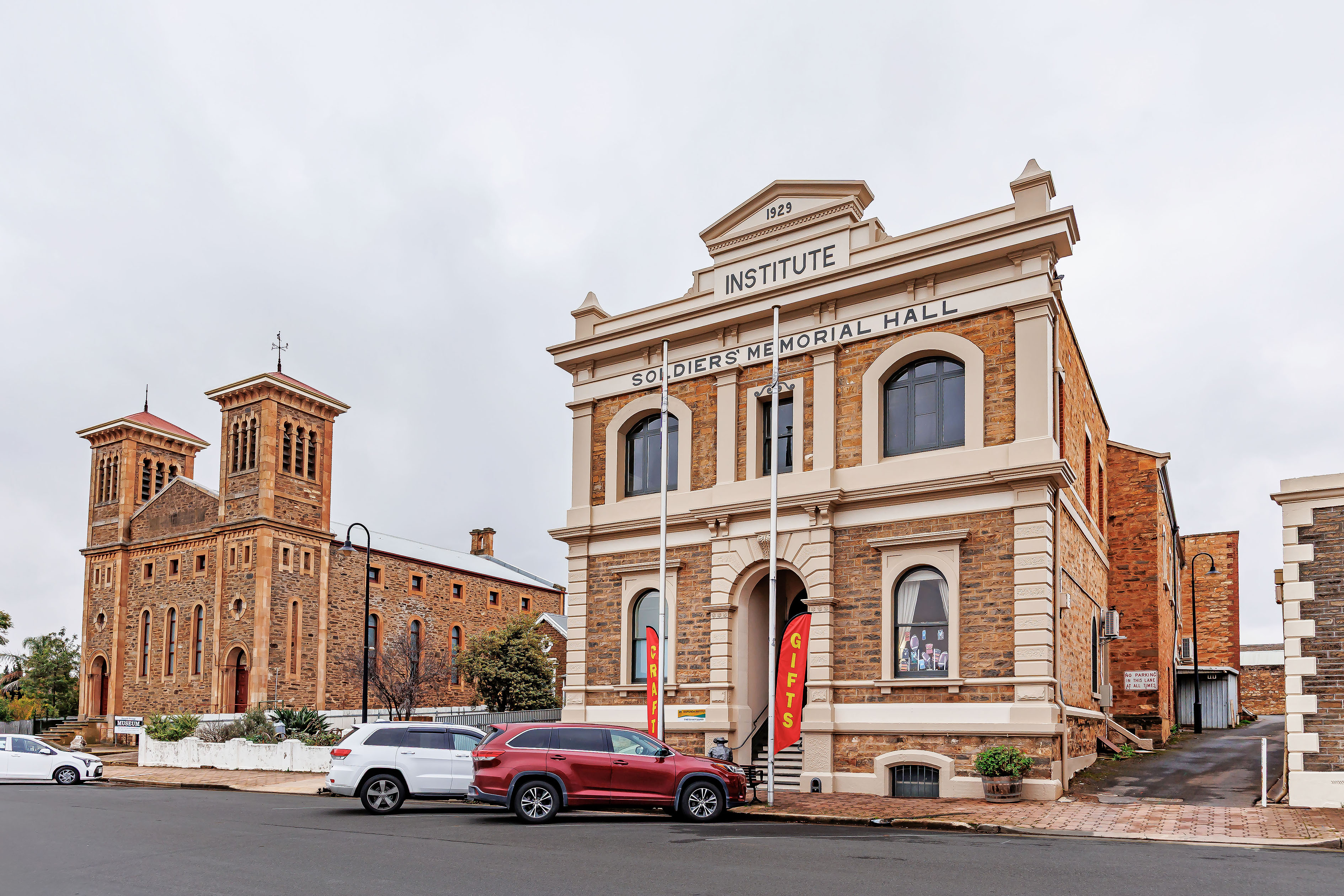
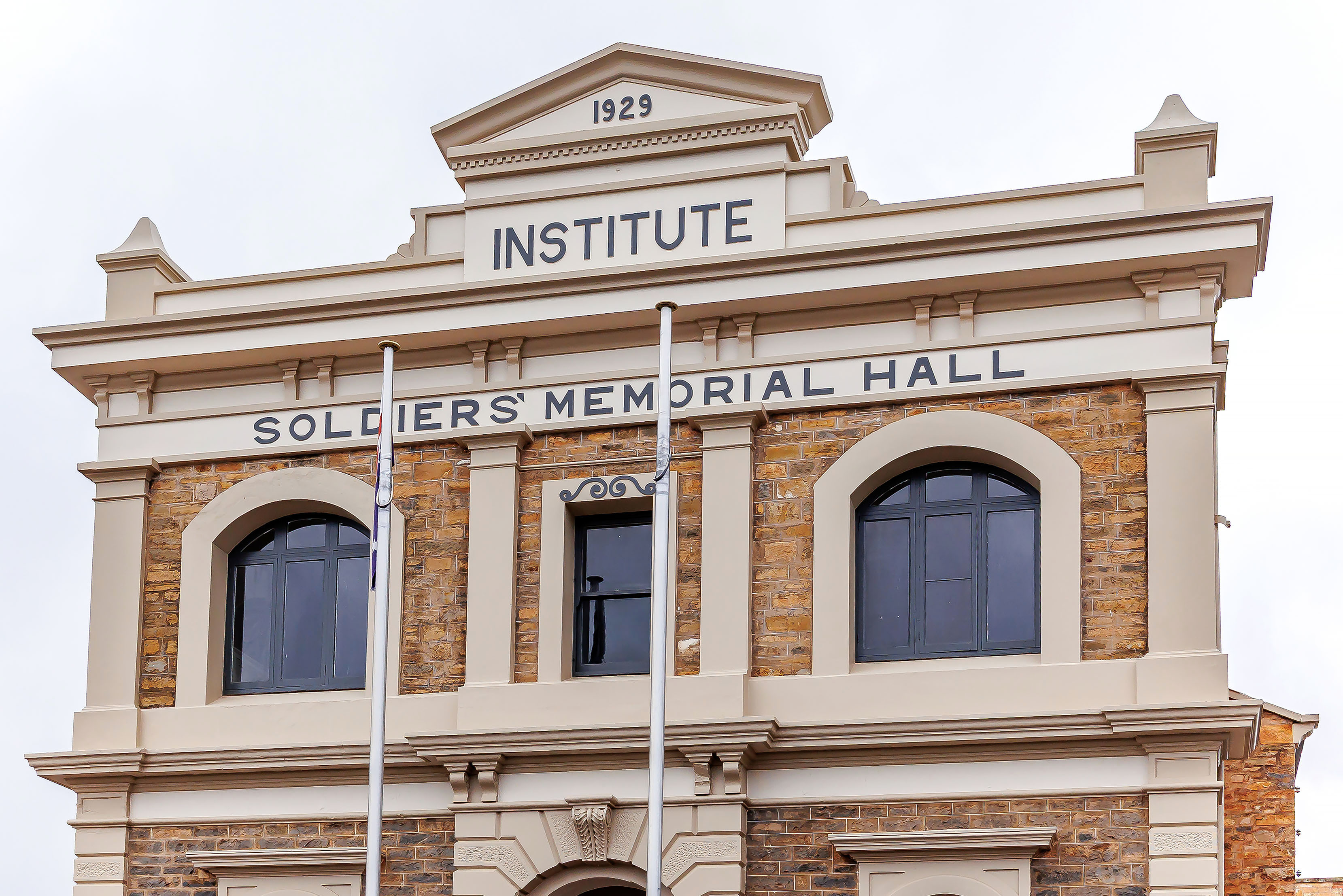
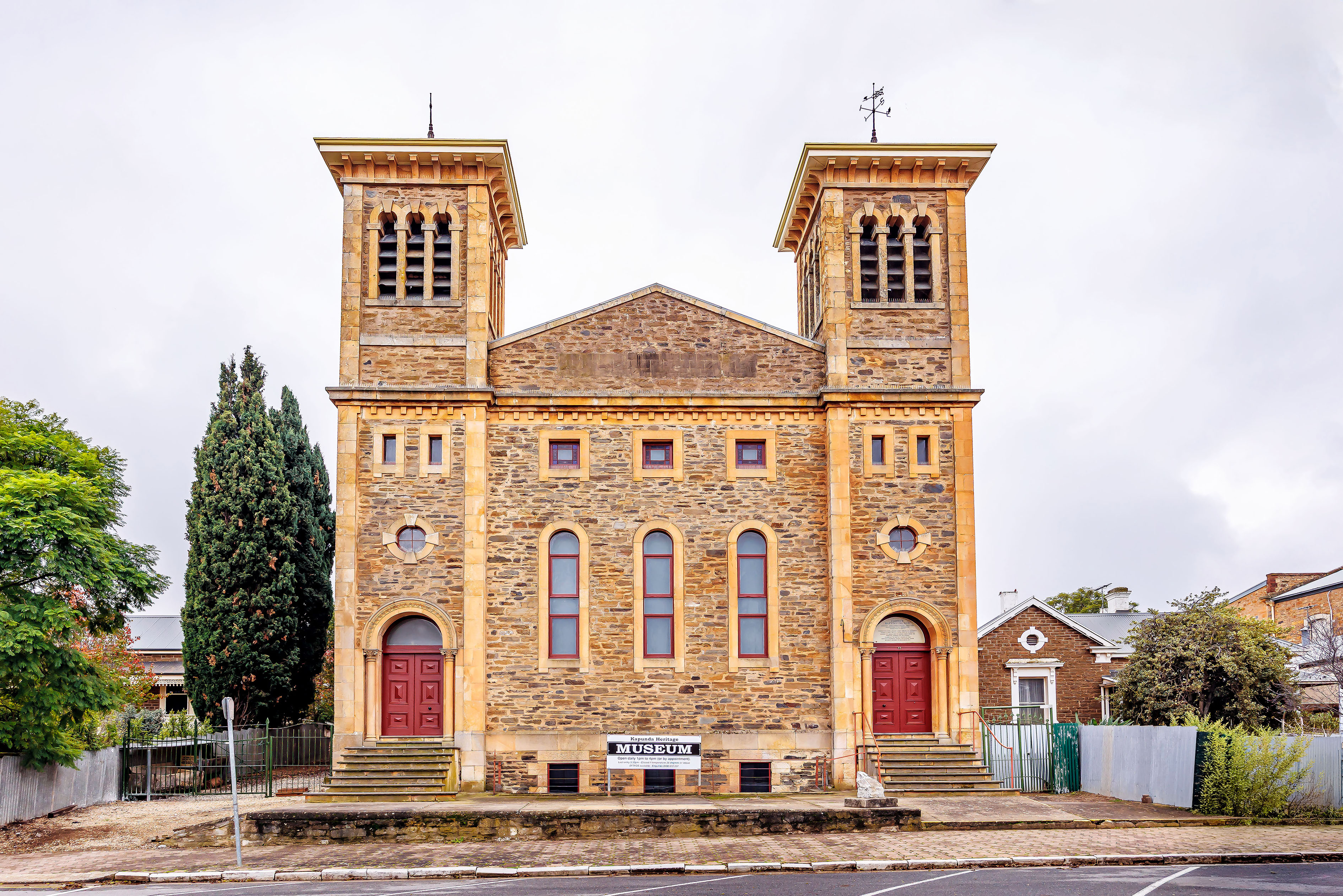
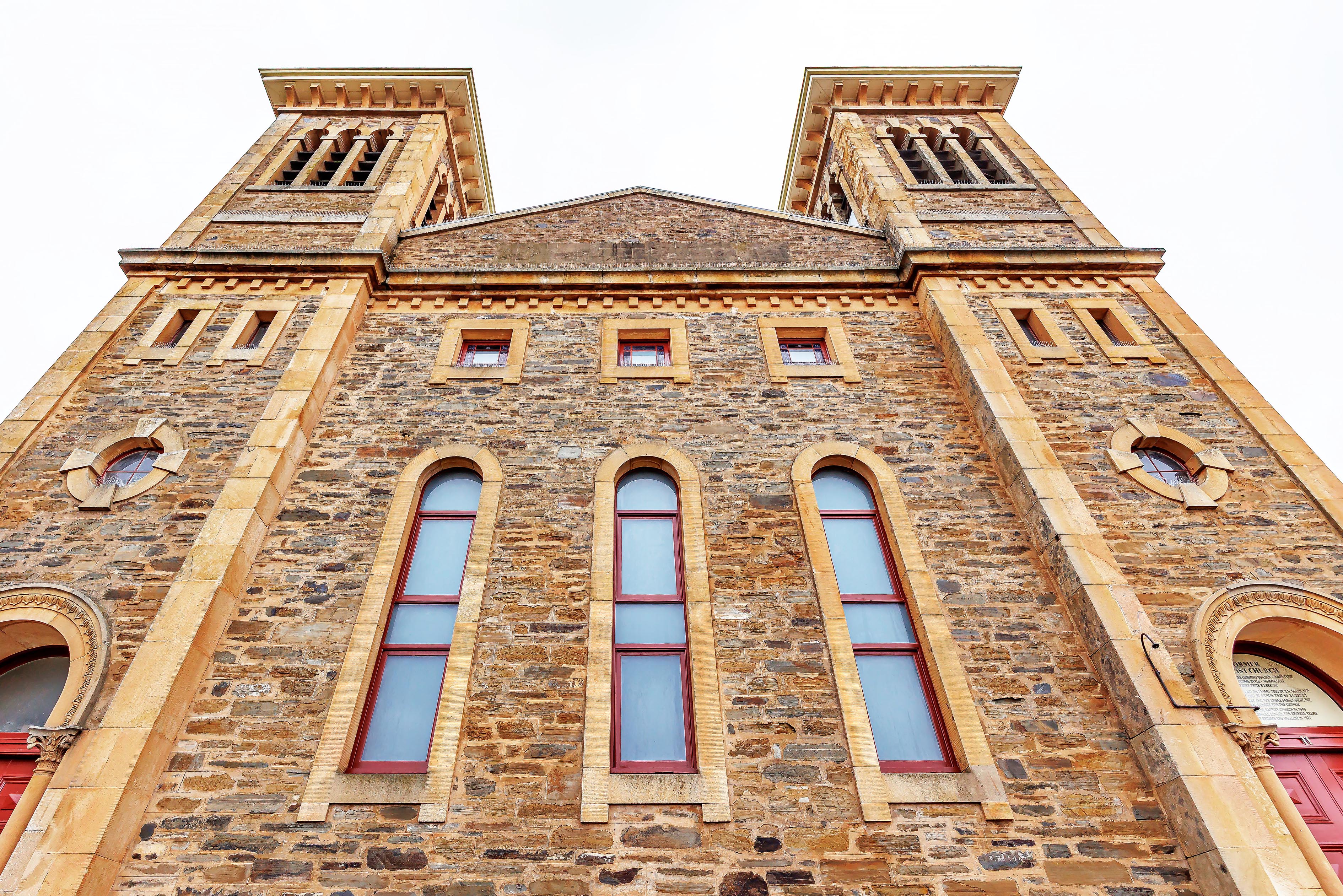
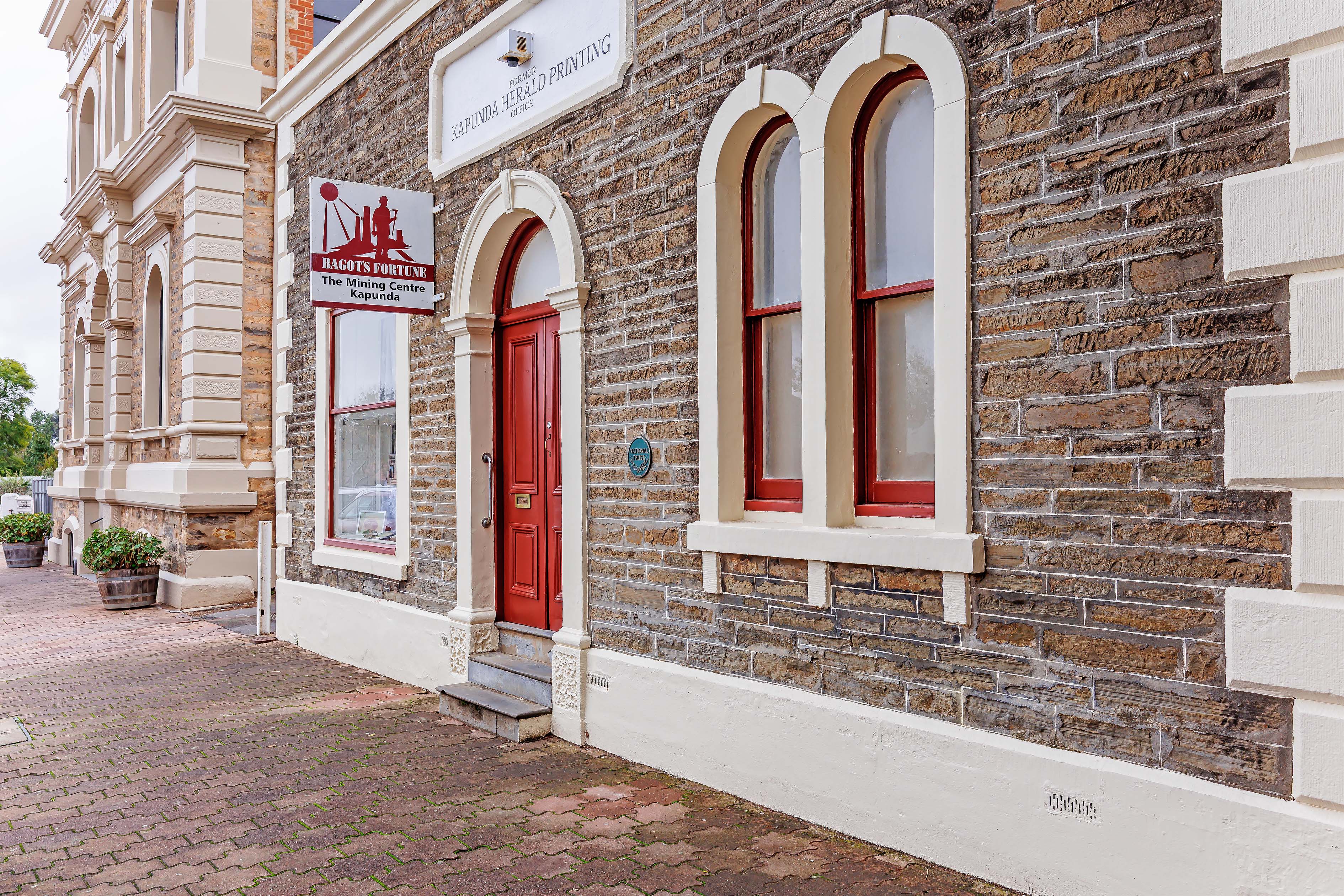
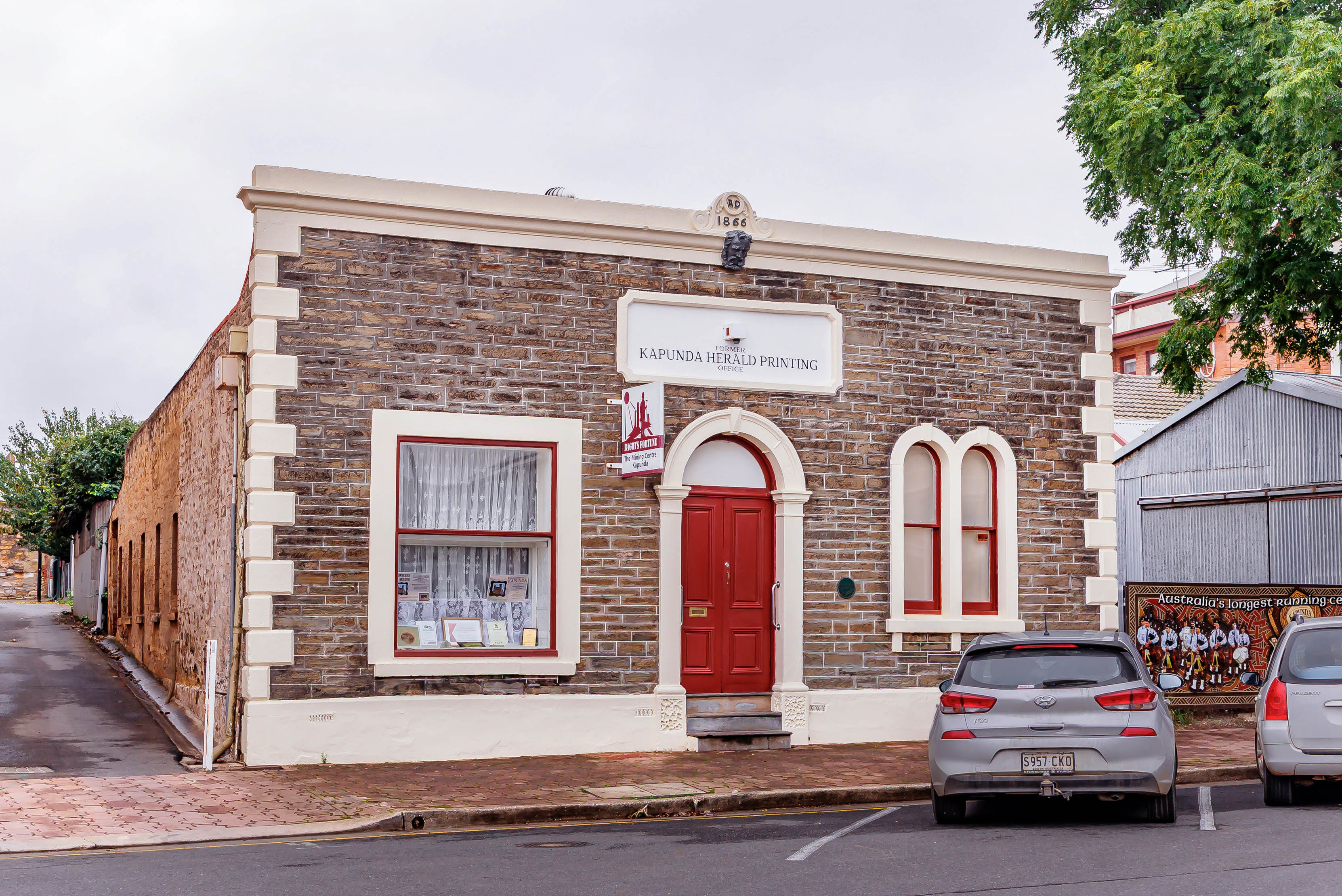
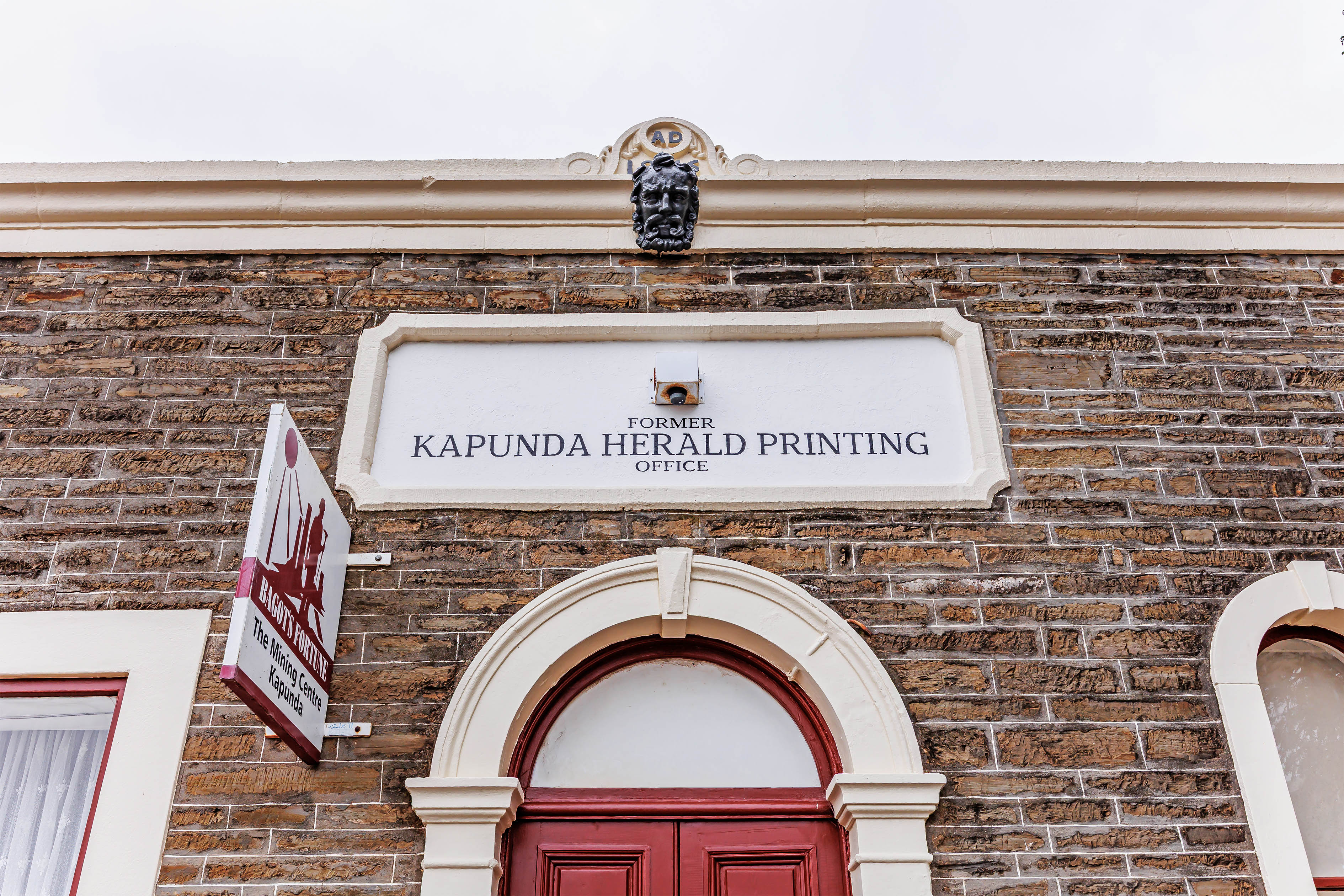
All three sit in Kapunda's Hill Street precinct, in Australia's oldest commercial copper-mining town.
Preservation of historical integrity across three listed buildings: Each building dates from the 1860s–70s and carries heritage protection. The work demanded period-appropriate methods and accurate colour matching so that every surface stayed true to its original character.
Working within an active civic precinct: The Museum and Bagot's Fortune remain open to the public, so the program had to protect both the buildings and their ongoing community use, with minimal disruption.
Delivery under a principal contractor: Working as part of the team led by G5 Special Projects, the painting program had to be sequenced around other trades and the builder's overall timeline.
Heritage-appropriate preparation and coatings: Heritage buildings are unforgiving of shortcuts, so every surface was assessed before a brush was lifted. We used gentle, controlled preparation rather than aggressive methods, hand-scraping and sanding back failed and flaking coatings to protect the soft original render, masonry and timber beneath
Expert timber and surface repairs: The timber and render repairs were carried out by specialist trades engaged on the project. We worked closely with them throughout, advising on preparation and timing so that surfaces were properly made good and ready to take paint, and dovetailing our work with theirs to achieve the best possible finish across all three buildings.
Coordinated, staged program: With three buildings in an active civic precinct, sequencing mattered as much as the painting itself. We staged the works to suit G5 Special Projects' overall program and the buildings' public opening hours, coordinating around other trades and managing access and scaffolding so the precinct kept operating and the project stayed on schedule.
A revitalised heritage precinct: The refurbishment brought three of Kapunda's most significant nineteenth-century buildings back to their best. With the Museum and Bagot's Fortune welcoming visitors year-round, the work means the precinct that tells the story of Australia's first commercial copper mine now presents to the public the way buildings of this stature deserve, with their original character intact.
Improved durability and longevity: The coating systems we selected and applied were chosen to suit each substrate and to stand up to the mid-north's hot, dry summers and cold winters. By letting the original walls breathe rather than trapping moisture, and by protecting timber and metal with premium, weather-resistant finishes, the result safeguards the buildings against the elements and reduces the maintenance burden on the council in the years ahead.
Delivered as part of the project team: Working alongside G5 Special Projects and the other trades, we completed our works and to the standard a public heritage project demands. The outcome reflects what the team achieved together: three landmark buildings protected and refreshed for the next generation of visitors.
If you are ready to transform your space or want to discuss your next painting project, our team is just a call away. Contact AJ Blunt Painting today for a free consultation.

.svg)


.webp)